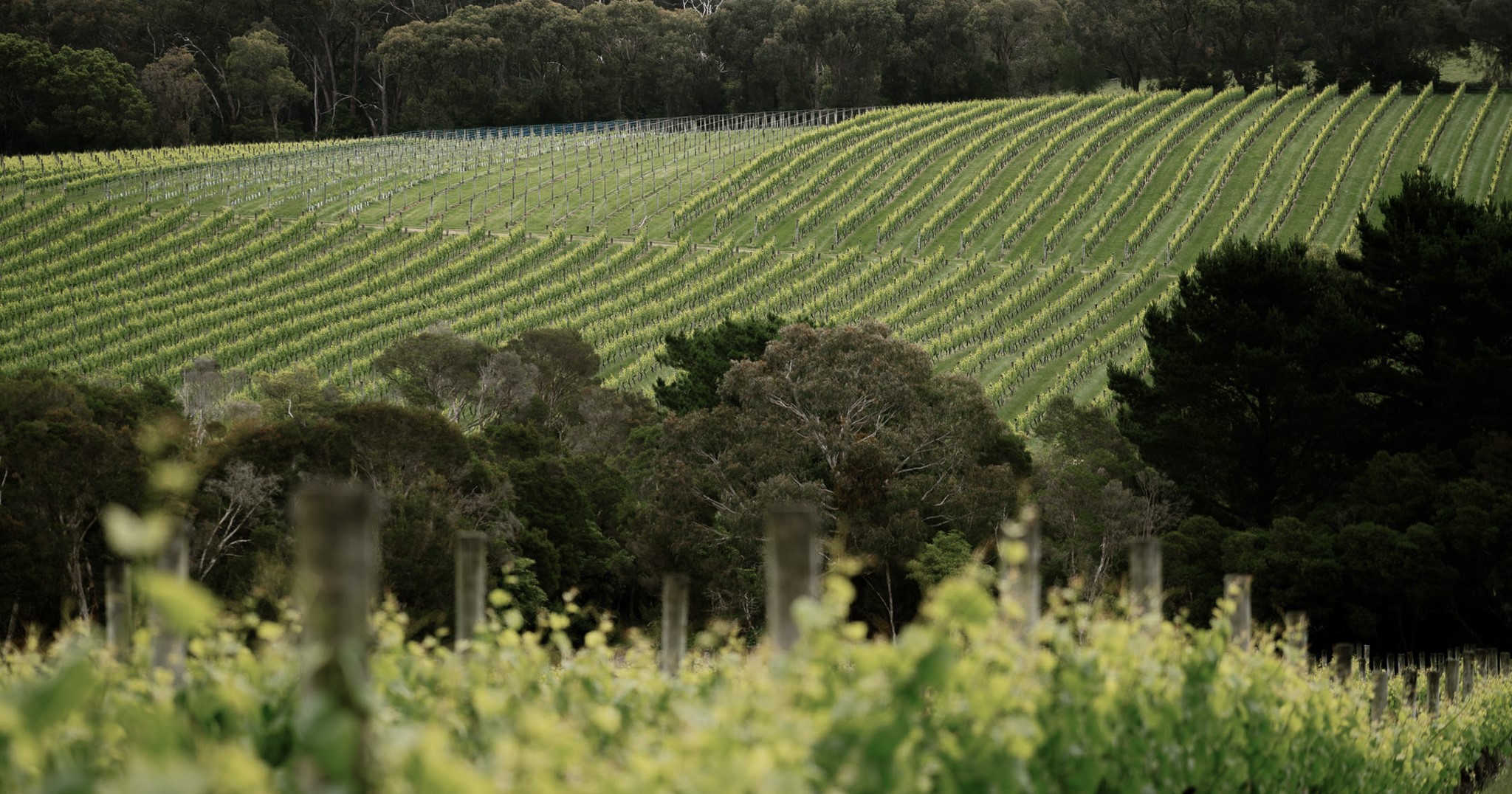
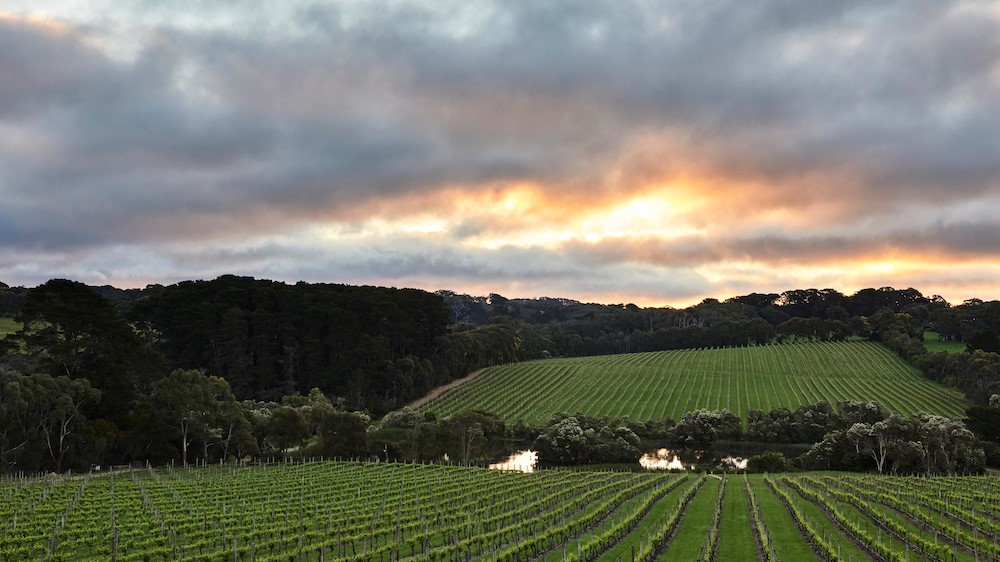
Spanning 16 hectares in total, with the built environment, vineyard, natural waterways and surrounding native vegetation, the Jackalope sits as a silent, benevolent custodian of this special site. Our touch upon the land is significant but we always aim for it to be as light and sustainable as possible. Every new feature is assessed using our environmental commitment framework and we strive to lead in our region and in the broader Australian hospitality industry.
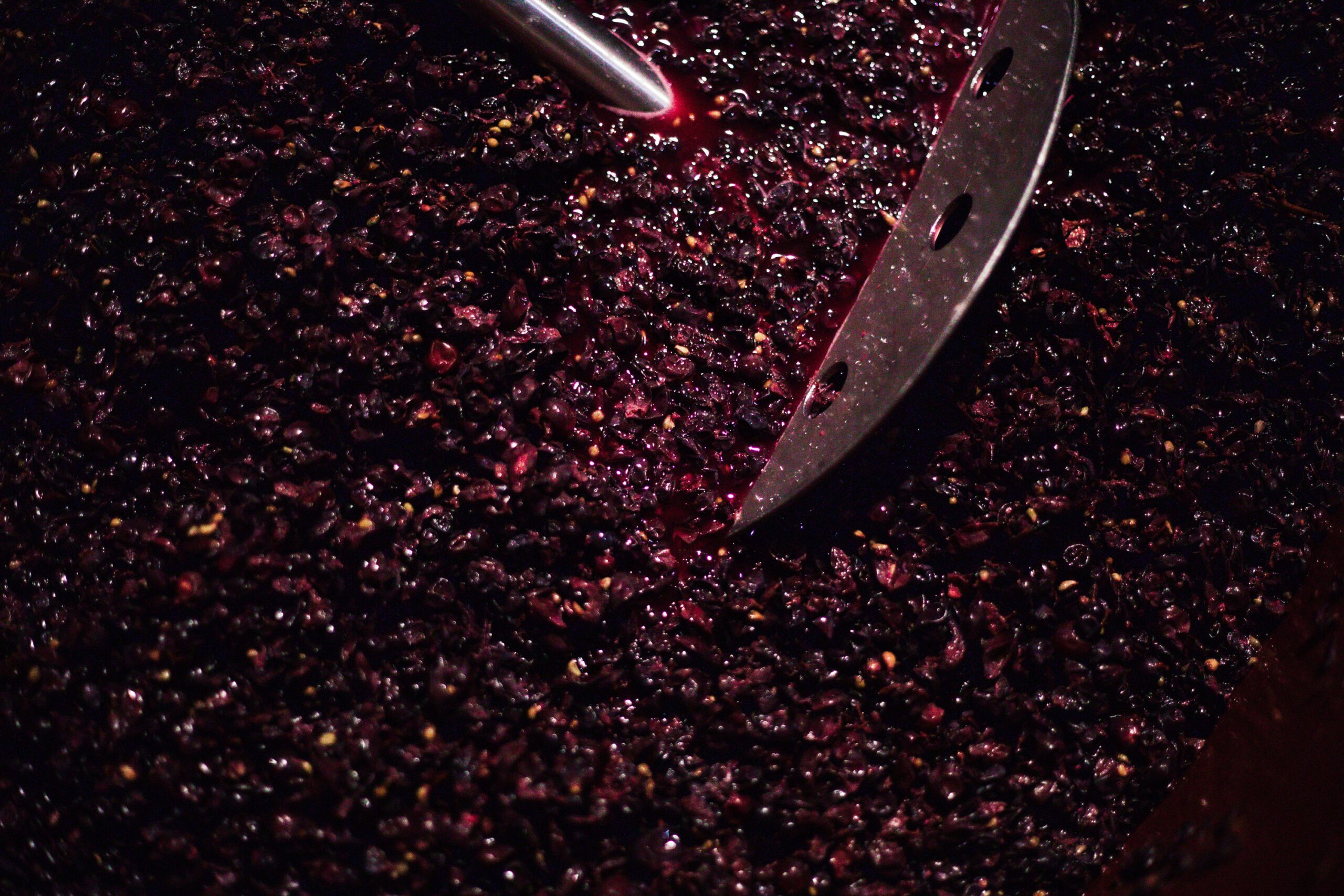
With 35 years of experience growing wine, we understand how critical these ancient degraded basalt soils are to our ongoing success. Minimising soil compaction, preventing erosion and runoff with healthy permanent swards, application of compost made from all of our waste grape marc, all contribute to greater life and productivity in the soil, and ultimately better wine.
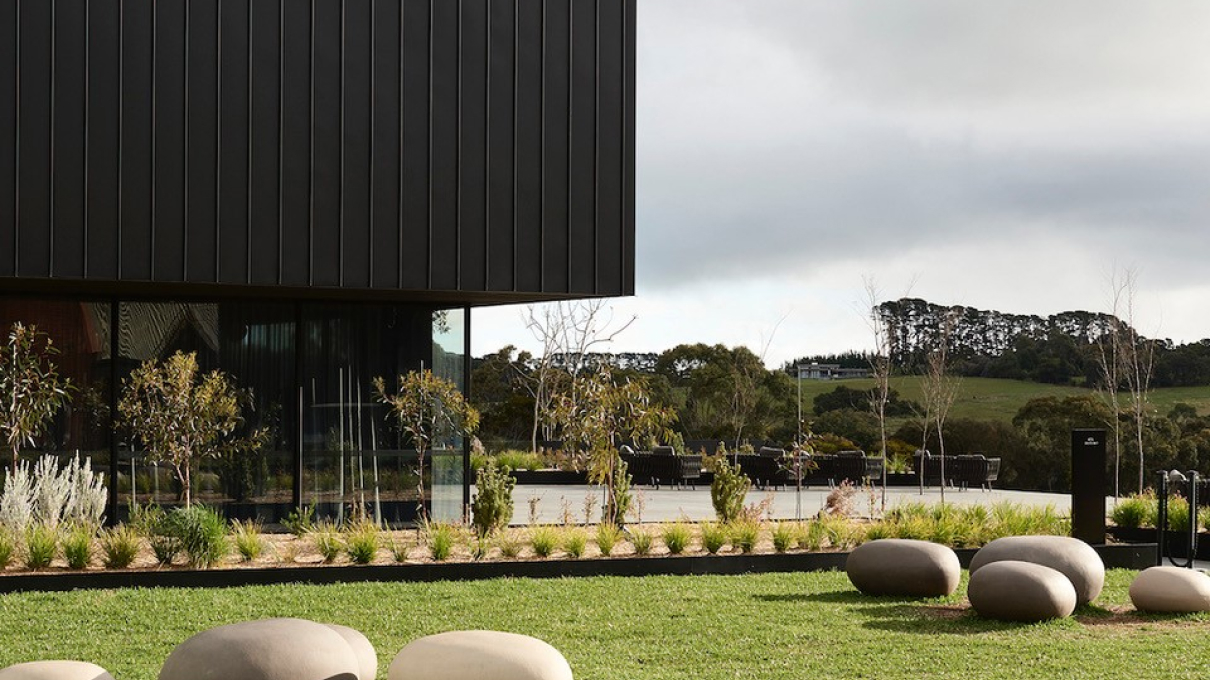
The hotel, winery and barrel room are equipped with over 500 solar panels, providing more than 30% of the power consumed on site, and there is a strong focus amongst our people to reduce impact with active programs to turn off lights and air-conditioning in empty spaces.
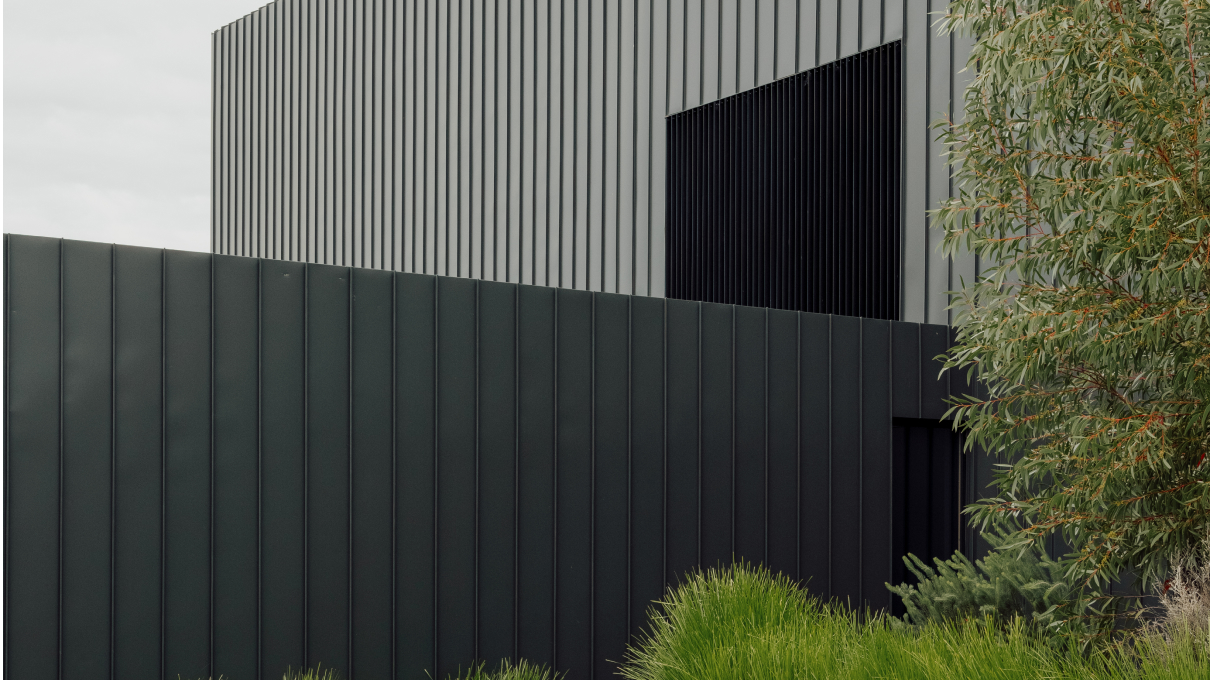
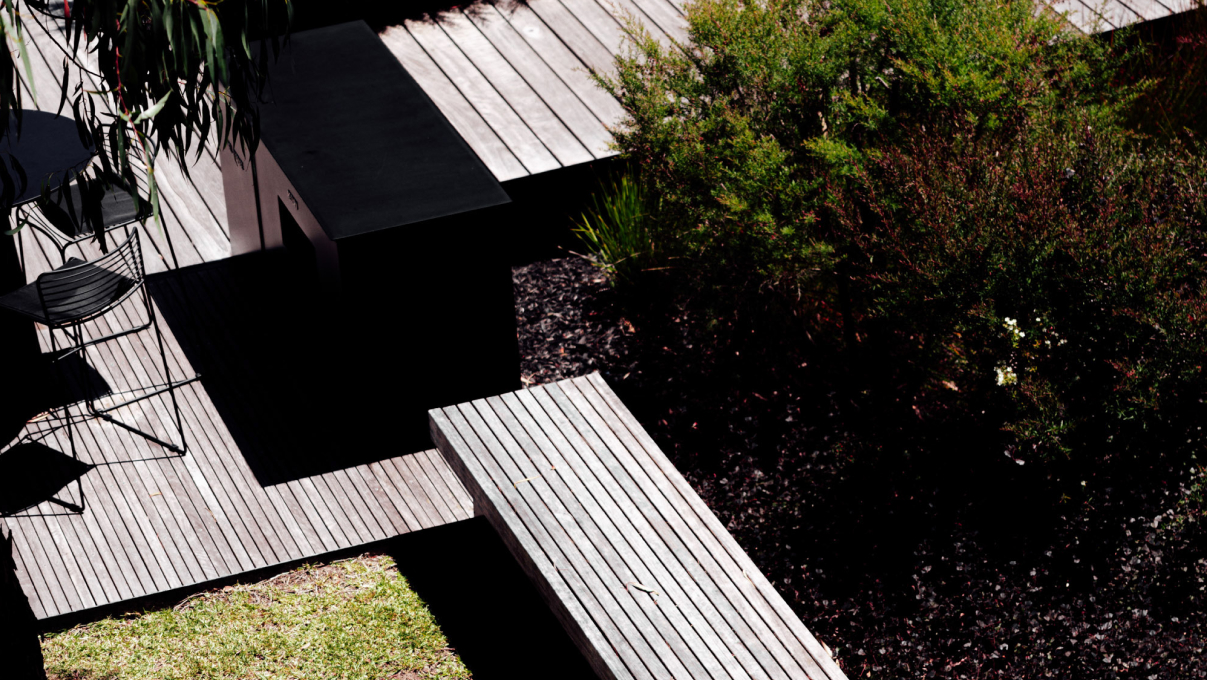
All waste water produced on site is recycled and re-used for landscape irrigation. Whilst not totally self-sufficient, our 20,000-litre rainwater reservoirs reduce our need for external water supply, and sprawling gardens brimming with Australian plants keeps soil temperatures down and reduces thermal loads from and into buildings. They also bring the native birds and invertebrates in to maintain the healthy ecosystems which would have always thrived around this region.
Jackalope is proud to be accredited as a Sustainable Quality Tourism Business by the Victorian Tourism Industry Council.
FAQ
-
What sustainability practices does Jackalope have in place?
Jackalope integrates sustainability across operations, including energy efficiency measures, water conservation systems, waste reduction programs, and responsible sourcing for food and beverage offerings.
-
Does Jackalope use renewable energy?
Where possible, Jackalope prioritises renewable energy sources via our solar panels and continues to improve energy efficiency across its facilities through upgraded systems and smart operational practices.
-
How does Jackalope reduce water usage?
Water-saving fixtures, efficient irrigation systems, and mindful landscaping practices are used to reduce overall water consumption while maintaining guest experience and vineyard surroundings.
-
What is Jackalope doing to reduce waste?
The hotel focuses on reducing single-use items, increasing recycling rates, and working with suppliers who minimise packaging. Food waste reduction initiatives are also in place across kitchens.
-
Are Jackalope’s restaurants sustainably sourced?
Yes. Seasonal menus prioritise local producers, ethical farming practices, and sustainable seafood sourcing where applicable, reducing food miles and supporting regional suppliers.
-
Does Jackalope use plastic-free initiatives?
Jackalope is actively working to eliminate or reduce single-use plastics by replacing them with reusable, recyclable, or compostable alternatives wherever feasible.
-
How does Jackalope support the local environment and community?
The property collaborates with local growers, producers, and artisans, and supports regional environmental initiatives that protect the Mornington Peninsula ecosystem.
-
Are the vineyards managed sustainably?
Yes. Vineyard practices focus on soil health, biodiversity, and minimising chemical inputs, with an emphasis on long-term environmental stewardship.
-
What happens to food waste at Jackalope?
Food waste is minimised through careful menu planning and preparation. Where possible, organic waste is diverted from landfill through composting or recycling systems.
-
How does Jackalope measure its sustainability impact?
The hotel regularly reviews energy, water, and waste data to identify improvements and track progress against internal sustainability targets.
-
Does Jackalope have a kitchen garden?
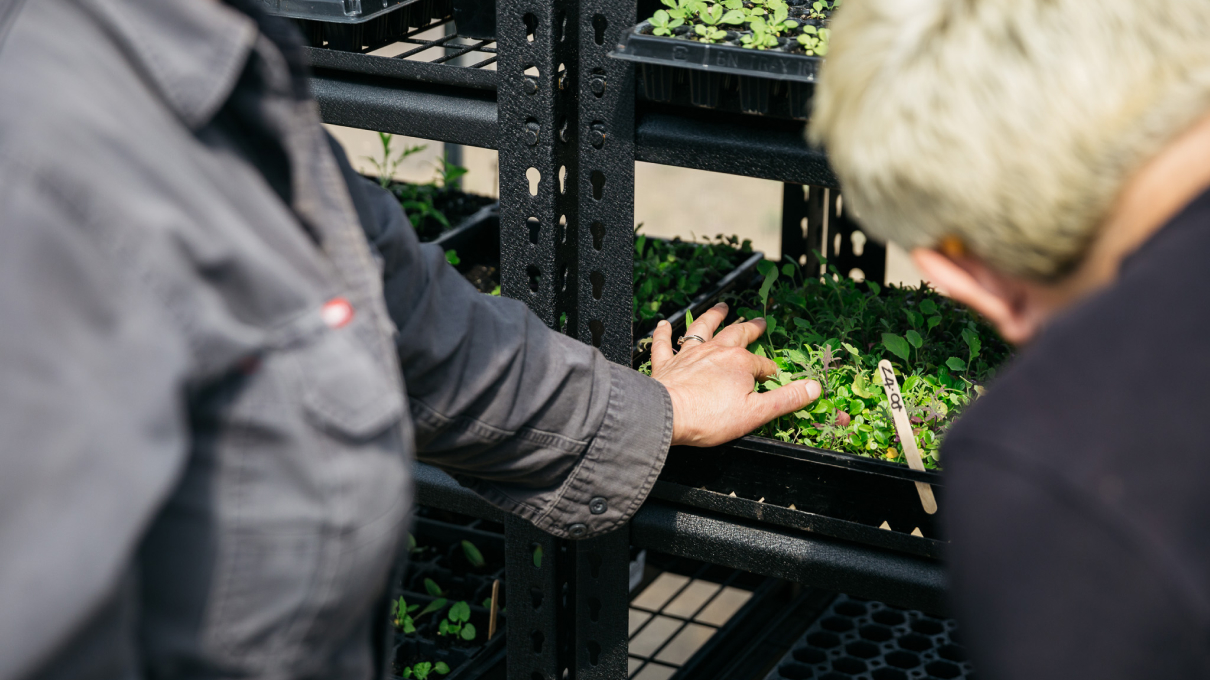
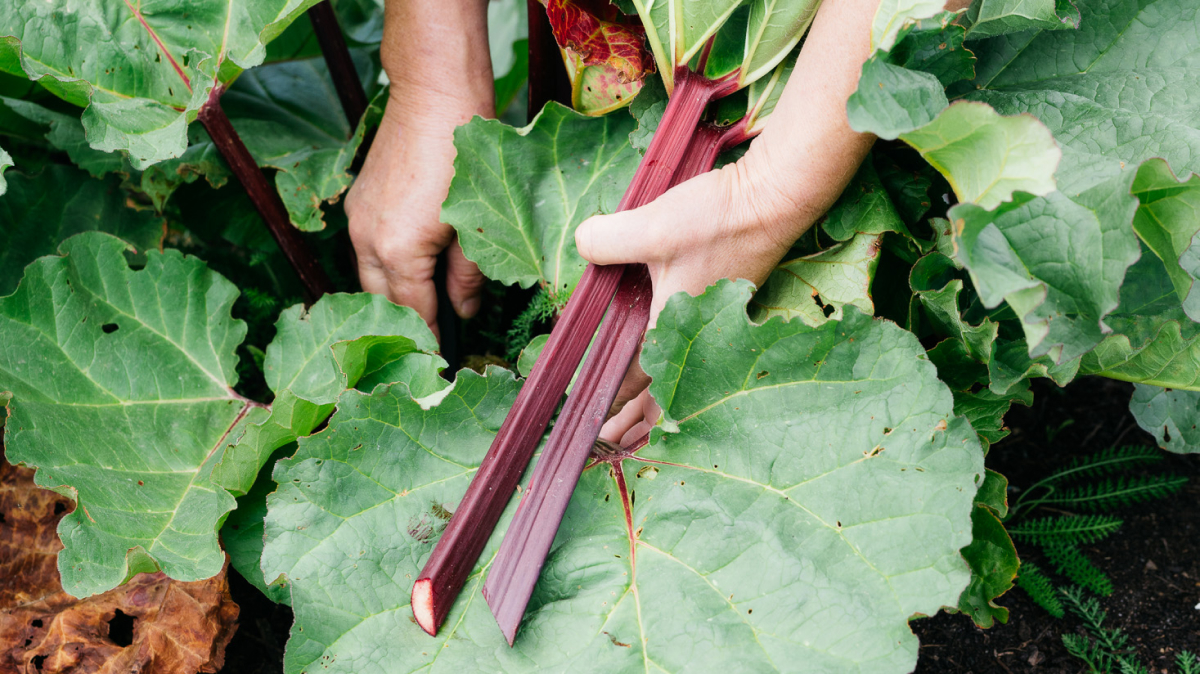
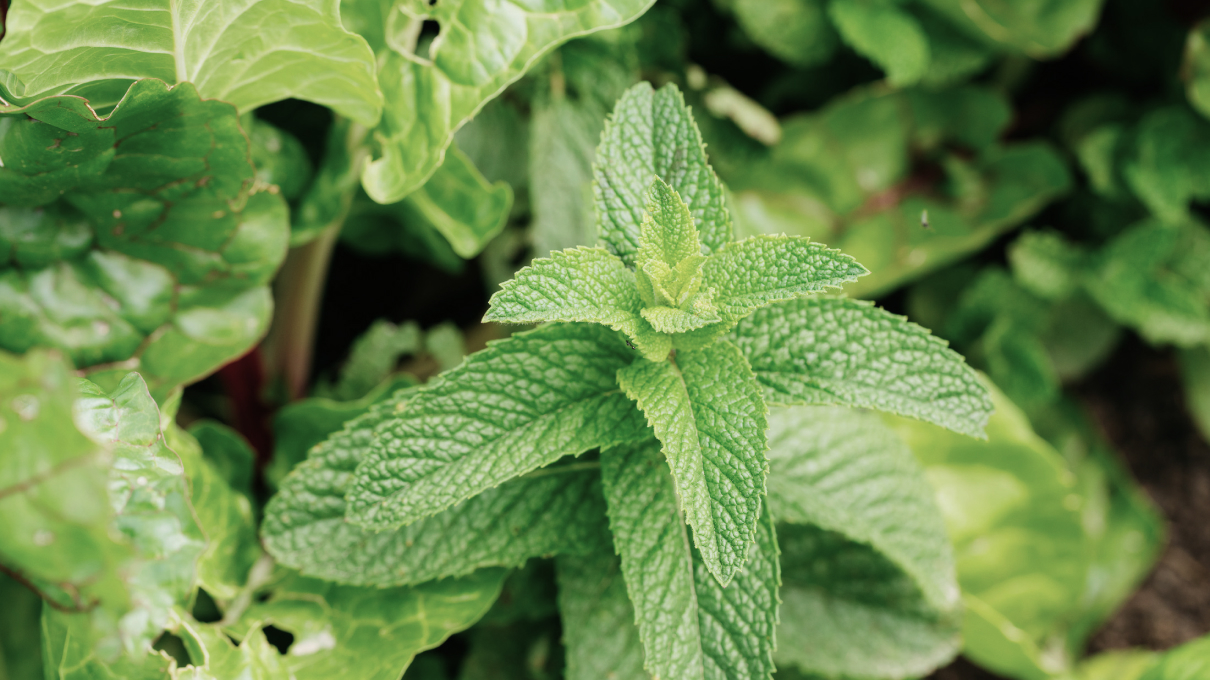
Yes. Jackalope maintains a kitchen garden that supplies fresh herbs, vegetables, and edible garnishes for its restaurants. This reduces food miles, enhances seasonality, and strengthens the connection between the kitchen and the surrounding landscape.
-
Where can I read the full terms and conditions?
Full booking terms and conditions are available on the official Jackalope Hotels Terms and Conditions page.
-
How do I contact customer support
Call us on (03) 5931 2500.
Spanning 11 hectares, Jackalope emerges as a beacon of sustainability on the Mornington Peninsula and the Australian hospitality industry. Every new feature is a testament to our environmental commitment. With a unification of over 500 solar panels, 20,000-litre rainwater reservoirs, and sprawling gardens brimming with Australian and native produce destined for our tables and guests. The hotel pulsates with a dedication to nurturing and reciprocating the land that cradles us.
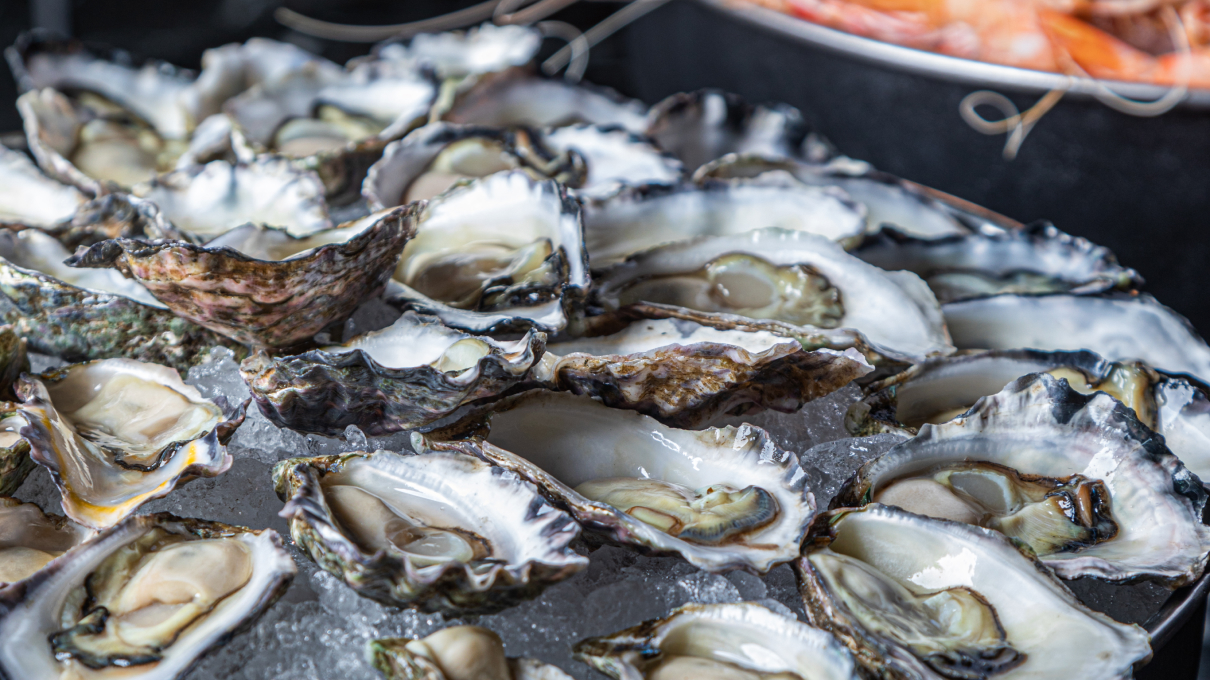
The restaurants are supplied with exotic and native produce grown in our kitchen garden and destined for our tables and guests. Kitchen scraps are composted on site, and an ambition to utilise as much as possible of any produce and reduce waste drives the kitchen teams. We have partnered with local collection schemes to retrieve oyster shells for creation of natural reefs in the surrounding bays to encourage a healthy marine environment. The hotel pulsates with a dedication to nurturing and reciprocating the land and seas that cradle us.
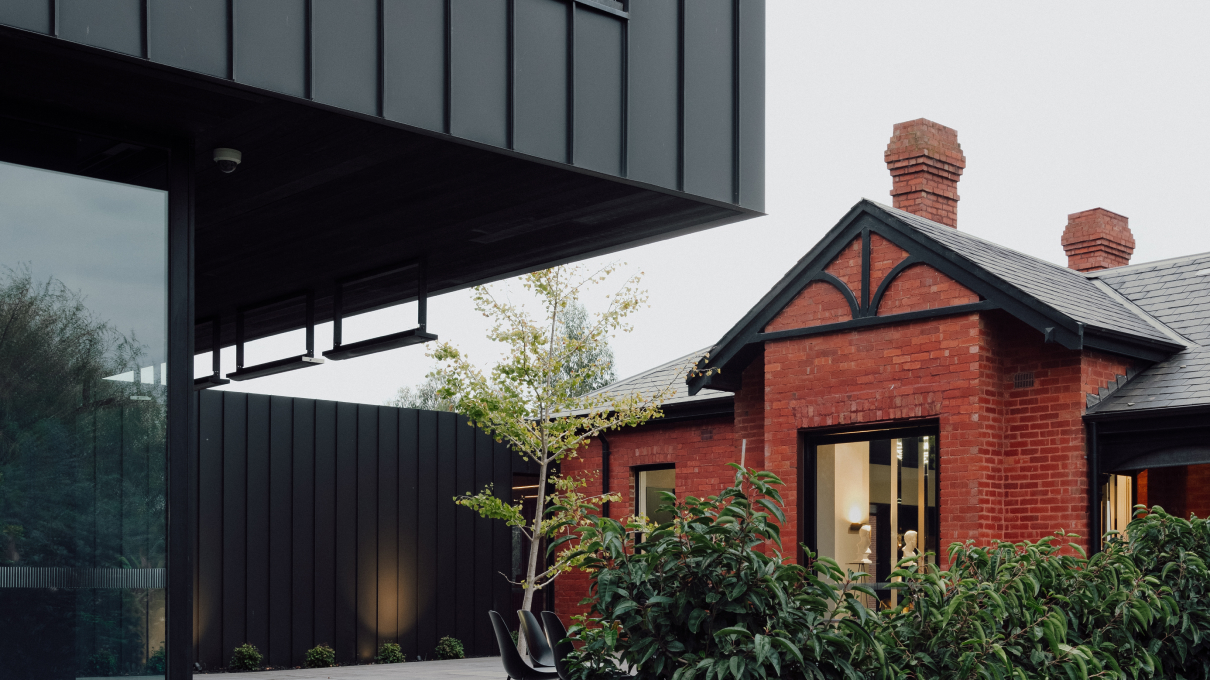
We are custodians of more recent history, too, with the heritage homestead built in the 1860s being centred within the new hotel building as the avant garde bar Flaggerdoot. The building materials of the hotel itself obliquely reference the corrugated metal agricultural sheds dotted around the original grazing property. The barrel room timbers were salvaged from old warehouses in Port Melbourne that were being torn down in the 90s. Our ability to keep the best of what has gone before and include beautiful and useful elements creates a culture of renewal and sustainability in all we do.
Jackalope partners with like-minded companies to ensure that products are sustainably sourced and that they engage in projects focused on reducing waste and fostering restorative actions for the environment.
Tom Dixon
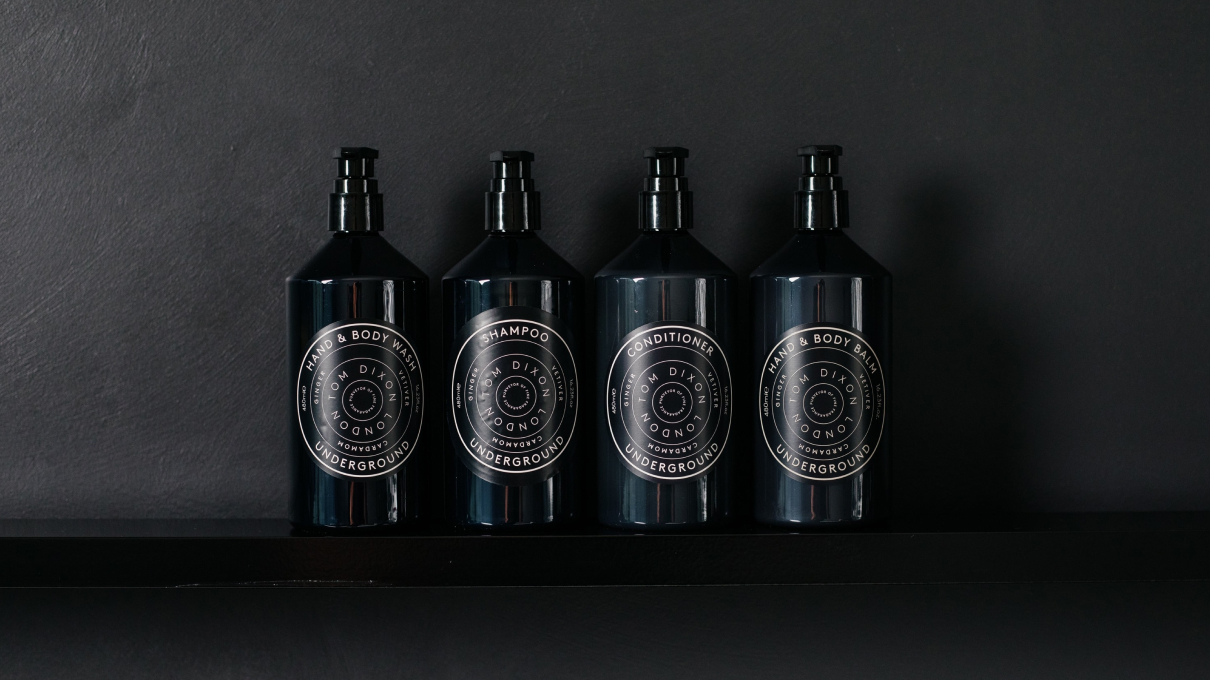
Tom Dixon products, renowned for their quality and luxury, are exclusively used at Jackalope. To minimize waste and reduce plastic consumption, we use bulk refill bottles instead of single-use containers. These are decanted into smaller bottles for both guest and staff use, with each drum filling 10 bottles. In line with Tom Dixon’s philosophy, all cardboard packaging is made from FSC-certified paper, and the 480ml bottles in room are crafted from 100% recycled plastic. Both the bottles and refill containers are recyclable and can be disposed of with your standard recycling waste.
St. ALi
The coffee at Jackalope is sourced from ST. ALi, known for ethically and sustainably sourcing their beans. St. ALi is used across all outlets and in-room pods.

Snowflake
Jackalope partners with Snowflake as a hotel linen provider. Snowflake has been Climate Active Carbon Neutral since 2021 and is committed to improving the environmental performance of its operations. Recent initiatives include the installation of a wastewater heat recovery unit, solar panels across all available roof space at their factory, and plans to implement rinse-water recycling. Damaged or stained stock is either donated to the RSPCA or repurposed into rags for a second life.

Tea on property
All estates that supply tea served on the property are sourced from Ekaterra-supported estates and are certified by Rainforest Alliance.
Shell Savers Project
Doot Doot Doot and Rare Hare are proud participants in the Shell Savers Project. Part of OzFish’s national Shellfish Revolution Program, the project engages the local community and volunteers to recycle, clean, and cure shells for the creation of shellfish reefs across Port Phillip and Westernport Bays. These restored reefs provide essential habitats for marine life, including vital fish populations.
We stand as a proud member of Hotels for Trees, a visionary initiative where each choice to forgo the daily room cleaning becomes a pledge to the Earth. With every guest who embraces this conscious decision, a new tree is planted right here on the Mornington Peninsula. In this quiet act of intention, we cultivate not only the growth of forests but the flourishing of life itself, weaving a tapestry of sustainability and hope. Each tree planted becomes a testament to the power of mindful choices, a living legacy that transcends time and whispers to future generations.

Spanning 11 hectares, Jackalope emerges as a beacon of sustainability on the Mornington Peninsula and the Australian hospitality industry. Every new feature is a testament to our environmental commitment. With a unification of over 500 solar panels, 20,000-litre rainwater reservoirs, and sprawling gardens brimming with Australian and native produce destined for our tables and guests. The hotel pulsates with a dedication to nurturing and reciprocating the land that cradles us.
Our dedicated kitchen garden team has orchestrated the planting of fruit trees to amplify our on-site harvests. In the coming 12 months, these beautiful trees will begin to bear fruit, dramatically reducing our reliance on external suppliers and securing an abundant future for our venues.